
When you begin a weight-loss journey, it is easy to let the number on the scale become the main measure of progress. Watching that number move can feel exciting, especially after months or years of frustration.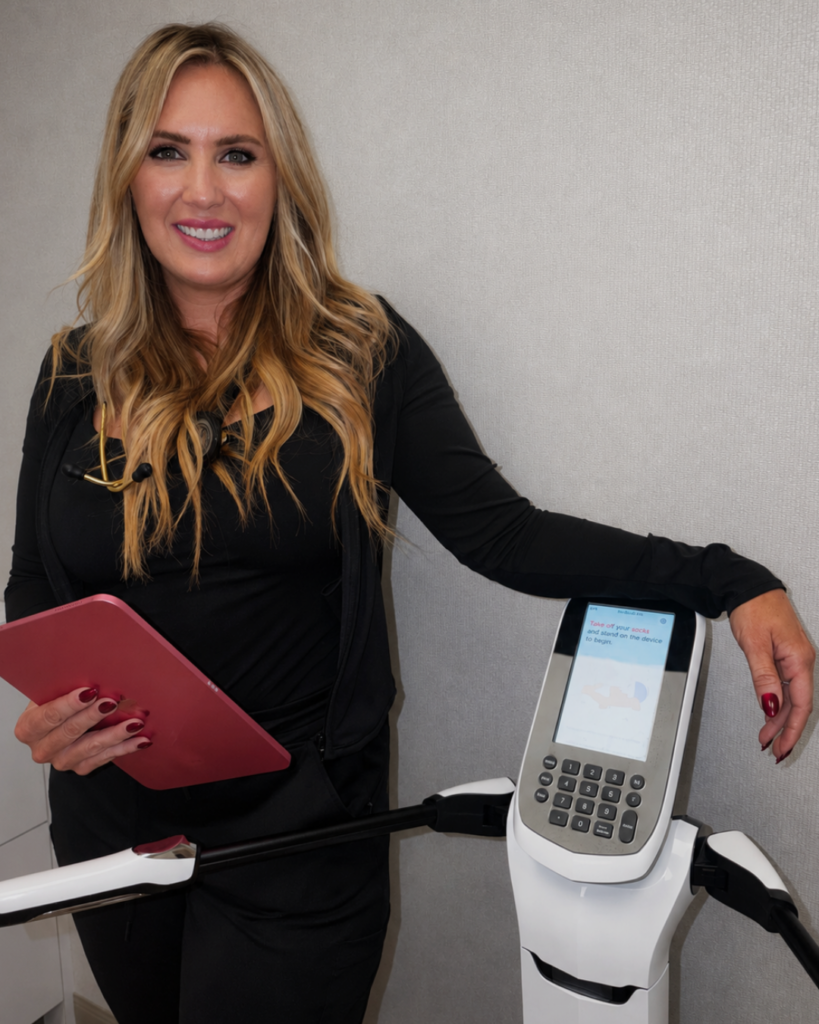
But meaningful progress is about more than weighing less. It is also about feeling strong, staying energized, moving comfortably, and supporting the body you want to live in long after the weight comes off.
If you are using a GLP-1 medication as part of a medically supervised weight-loss plan, maintaining muscle deserves a place in the conversation.
Can You Lose Muscle While Taking a GLP-1?
Any significant weight loss can include a combination of fat mass and lean mass. That is not exclusive to GLP-1 medications.
Because GLP-1s can reduce appetite and overall food intake, some people may unintentionally eat too little protein or consume fewer essential nutrients. Without adequate nutrition and resistance-based movement, the body may lose more lean tissue than intended.
It is also important to understand that “lean mass” does not mean muscle alone. It includes water, organs, connective tissue, and other non-fat components of the body. Still, preserving skeletal muscle is an important part of achieving healthier, more sustainable results.
The goal should not simply be to lose as much weight as possible, as quickly as possible. The goal is to improve body composition by reducing excess fat while protecting strength and function.
Why Does Muscle Matter During Weight Loss?
Muscle affects much more than physical appearance.
Healthy muscle supports:
Everyday strength and mobility
Balance and physical function
Glucose utilization
Exercise performance
Posture and stability
A strong, defined appearance as body fat decreases
Maintaining muscle can also make it easier to continue being active, which is an important part of supporting your results over time.
You may reach a lower number on the scale, but if you feel weaker or less capable when you get there, the journey may not feel as successful as you expected. That is why we encourage clients to think beyond pounds and pay attention to the quality of their weight loss.
How Can You Support Muscle While Taking a GLP-1?
There is no single solution. Muscle preservation is best approached through a combination of nutrition, movement, medical monitoring, and realistic expectations.
1. Prioritize Protein
When your appetite is lower, it may become difficult to finish large meals. Starting with the protein portion of your meal can help you consume it before becoming full.
Protein-rich options may include:
Eggs
Greek yogurt or cottage cheese
Fish and seafood
Chicken or turkey
Beans, lentils, and tofu
Nuts and seeds
A protein shake when whole foods are difficult to tolerate
Your ideal protein intake depends on your body, activity level, medical history, and weight-loss plan. Rather than following a generic number from social media, ask your medical provider or a registered dietitian for personalized guidance.
Protein is important, but protein alone is not enough to fully support muscle.
2. Include Resistance Training
Walking is wonderful for cardiovascular health, mood, and daily movement, but strength-focused exercise provides the direct stimulus muscles need.
Resistance training can include:
Free weights
Resistance bands
Weight machines
Body-weight exercises
Pilates or other strength-focused classes
Your routine should reflect your current fitness level and physical ability. Consistency matters more than starting with the heaviest weight or most intense workout possible.
If you are new to exercise, recovering from an injury, or managing a health condition, speak with a qualified professional before beginning a new program.
3. Avoid Treating the Fastest Loss as the Best Loss
It can be tempting to celebrate dramatic week-to-week changes, but faster is not always better.
Rapid weight loss can make it harder to consume enough protein, vitamins, minerals, and total energy. It may also increase the likelihood of losing lean tissue along with fat.
Regular appointments allow your provider to evaluate your progress, side effects, food intake, and treatment response. If something feels off, your plan can be adjusted instead of allowing the problem to continue.
4. Track More Than Your Weight
A traditional scale tells you how much your body weighs, but it does not show what is changing within your body.
Body-composition assessments, such as InBody measurements, can help monitor trends in fat mass and lean mass throughout your journey. These measurements are not perfect or diagnostic, but they provide additional context when used consistently alongside clinical guidance.
Also pay attention to functional progress:
Do you feel stronger?
Are everyday activities becoming easier?
Is your energy improving?
Are your clothes fitting differently?
Can you complete more repetitions or use greater resistance?
Those changes matter, even during weeks when the scale moves slowly.
5. Give Your Body Time to Recover
Sleep, hydration, and recovery are not extras. They influence how you feel, how you move, and how consistently you can follow your plan.
A smaller appetite can also make dehydration or inadequate nutrient intake easier to overlook. Let your provider know if you experience persistent nausea, vomiting, constipation, unusual fatigue, dizziness, or difficulty eating enough to meet your needs.
Where Does Emsculpt NEO Fit In?
Emsculpt NEO combines radiofrequency energy with high-intensity focused electromagnetic technology. During treatment, electromagnetic energy stimulates powerful muscle contractions while radiofrequency energy heats the targeted area.
For someone undergoing GLP-1 weight loss, Emsculpt NEO may provide an additional way to support targeted muscle stimulation and improve body contour in areas such as the abdomen, buttocks, arms, thighs, or calves.
However, Emsculpt NEO should not be treated as a replacement for adequate protein, resistance training, or medical guidance. Think of it as an additional layer within a comprehensive plan—not the entire plan itself.
At Azalea, Emsculpt NEO recommendations are personalized according to your body, goals, medical history, and overall weight-loss strategy.
A More Complete Approach to GLP-1 Weight Loss
Medication can be a valuable tool, but the prescription is only one part of the process.
A thoughtful medical weight-loss program should consider:
Your health history
Appropriate laboratory testing
Nutrition and hydration
Strength and physical activity
Medication response and side effects
Changes in body composition
Long-term habits and maintenance
Our medically supervised weight-loss program is designed to look at the full picture. Through personalized consultations, ongoing check-ins, and regular InBody assessments, we can monitor more than the number on the scale.
For clients who are appropriate candidates, Emsculpt NEO can also be incorporated into the plan to complement healthy habits and support targeted body-contouring goals.
Let’s Focus on the Quality of Your Progress
Successful weight loss should help you feel better in your body, not simply make your body smaller.
If you are currently taking a GLP-1 or considering medical weight loss, we would love to help you create a plan that prioritizes your health, strength, and long-term results.
Schedule a consultation with Azalea Med Spa in Lenexa to learn more about our medically supervised weight-loss program, InBody assessments, and Emsculpt NEO.
Frequently Asked Questions
Do GLP-1 medications automatically cause muscle loss?
Not automatically. Some lean-mass reduction can occur with any significant weight loss, and the amount varies between individuals. Nutrition, resistance training, age, health, activity level, and the pace of weight loss can all affect the outcome.
Can eating more protein prevent all muscle loss?
Protein is important, but it works best when paired with resistance training and an appropriately managed weight-loss plan. Your protein needs should be personalized by a qualified professional.
Does Emsculpt NEO replace exercise?
No. Emsculpt NEO can complement an active lifestyle and stimulate targeted muscles, but it does not replace regular movement, strength training, or balanced nutrition.
Why should I track body composition?
Body-composition measurements provide more context than weight alone. They can help your medical team monitor trends in fat and lean mass and make informed adjustments to your plan.
This article is intended for general educational purposes and does not replace individualized medical advice. GLP-1 medications should only be used under the supervision of a qualified medical professional.
